Pronunciation is the IELTS Speaking criterion students avoid working on the most — not because it doesn’t matter, but because “practice more” doesn’t actually tell you what to do. Unlike grammar, where a mistake is often obvious once it’s pointed out, pronunciation problems are largely invisible to the person making them. You can’t hear your own accent the way a listener does, because your brain already knows what you meant to say and quietly fills in the gap.
That’s exactly why “just talk more” doesn’t move this score much on its own — talking more without feedback just repeats whatever habit you already have, correct or not.
What Pronunciation actually measures (it’s not “sounding native”)
This is the single biggest misconception about this criterion: IELTS Pronunciation is not scored on how close you sound to a native British or American speaker. It’s scored on intelligibility — how easily a listener can follow what you’re saying without extra effort — plus specific technical features: word stress (which syllable gets emphasis), sentence stress and intonation (the rise and fall that signals meaning, questions, and feeling), and the accuracy of individual sounds that matter for understanding. A strong, clear non-native accent with good stress and intonation can score very well. A flat, monotone delivery with correct individual sounds can still lose marks.
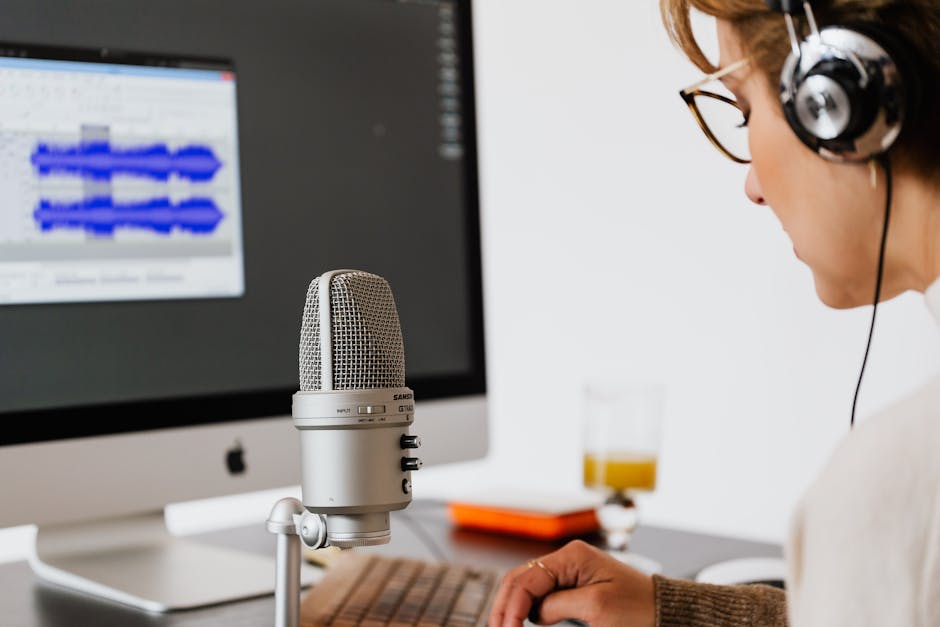
Why self-checking pronunciation doesn’t work
Try this: record yourself saying a sentence, then say it again from memory a minute later. Most people can’t reliably tell, from memory alone, whether the two versions actually sounded the same. Now add the fact that IELTS pronunciation habits are usually consistent and automatic — the same sound gets mispronounced the same way every time, because it’s a physical habit (how your mouth and tongue move), not a conscious choice. You can’t self-correct a habit you can’t hear.
What actually works is something that listens to your specific recorded speech and tells you, concretely: this sound, this word, this stress pattern — that’s the one costing you marks. Not “pronunciation needs work” in general, but the specific, repeatable thing to fix.
The fix: get your actual speech analyzed, not a general checklist
ActuallySpeak’s Accent Scan does exactly this — it listens to your real, recorded speech and gives you specific, sound-by-sound feedback rather than generic advice, so you know exactly which habit to work on first instead of guessing. Because it’s analyzing what you actually said, the feedback is concrete enough to actually act on, the same way a good pronunciation coach would react to hearing you live.
Try it free: get your accent and pronunciation scanned and find out exactly what to fix first. Try Accent Scan on ActuallySpeak →

A realistic way to actually improve it
Pick one specific sound or stress pattern flagged as your weakest — not all of them at once. Practise it in isolation for a few minutes a day: single words, then short phrases, then full sentences at natural speed. Get it re-checked before moving to the next thing. Because pronunciation habits are physical rather than purely knowledge-based, short and frequent beats long and occasional — a few focused minutes most days moves this score faster than one long session a week.
FAQ
Does having an accent lower my IELTS Speaking score?
No — IELTS Pronunciation is scored on how easily a listener can understand you, not on how close your accent sounds to a native speaker. A strong, clear accent scores well. What actually costs marks is unclear word stress, flat intonation, and individual sounds that cause real misunderstanding.
Why can’t I tell if my own pronunciation is a problem?
Because your brain automatically understands what you meant to say, even when the sounds that actually came out weren’t quite right — you can’t hear your own pronunciation the way an outside listener does. This is exactly why pronunciation is the hardest IELTS criterion to self-correct without feedback.
What specifically does the IELTS Pronunciation criterion measure?
Word and sentence stress, intonation (the rise and fall that signals meaning and feeling), individual sound accuracy, and overall intelligibility — whether a listener can follow you without extra effort. It’s graded separately from grammar and vocabulary, so strong pronunciation can lift your overall Speaking band even if your other skills are still developing.
How can I get accurate feedback on my pronunciation without a teacher?
An AI tool that analyzes your actual recorded speech — sound by sound and stress pattern by stress pattern — can catch specific, repeatable habits a self-check can’t, because it’s listening to what you actually produced rather than what you intended to say.
How long does it take to improve IELTS pronunciation?
Pronunciation habits are physical (mouth, tongue and breath patterns), so they respond well to short, frequent, targeted practice on specific sounds or stress patterns rather than occasional long sessions. Real movement is usually visible within a few focused weeks once you know exactly which habit to fix.
Want free extra practice and a community of IELTS learners? Join the free Smooth English Fluency Clan on Skool for extra resources, accountability and a place to ask questions between lessons.