Have you ever tried opening a bank account in English? It seems like a simple task—until you’re sitting across from a bank representative and realize you don’t have the right document.
In today’s Smooth Stories B1 episode, we meet Layla, who walks into a bank with all her documents… except the one the bank actually needs. The conversation between Layla and Daniel (the bank representative) teaches you real vocabulary and phrases you’ll actually use if you ever need to open an account in an English-speaking country.
What Happens in the Story
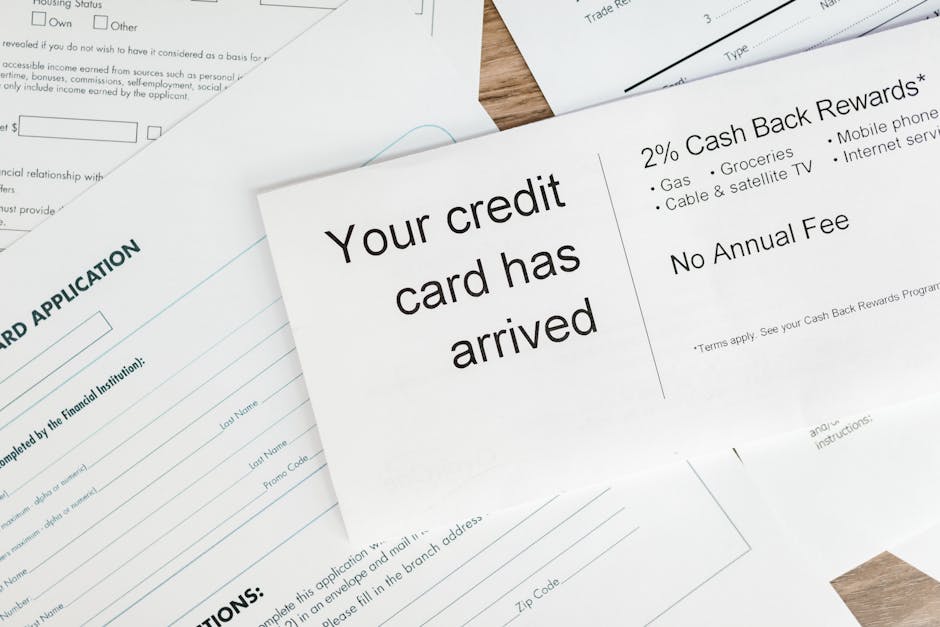
Layla comes to the bank to open an account, but the bank needs a proof of residence—a utility bill, a lease agreement, or a recent statement showing where she lives. She has her passport (which proves her identity) and her work visa documents, but nothing that proves where she’s currently living.
Daniel has to explain, politely, what the bank’s requirements are and offer a solution: she can come back once she has the right documents.
It’s a realistic, slightly awkward situation—exactly the kind of real English conversation that matters.
Key Vocabulary from the Episode
Here are the words and phrases Layla and Daniel use—and why they matter:
- Proof of residence — an official document (like an electricity bill or rental agreement) that shows where you live. “Do you have a proof of residence?”
- Account — in this context, a bank account where you save and manage money. “I’d like to open an account.”
- Identity document or ID — your passport or national ID that proves who you are. “I’ll need to see your ID.”
- Requirement — something you must have or do. “That’s one of our requirements.”
- Utility bill — a bill for electricity, water, gas, or internet. It’s the most common proof of residence. “A utility bill works as proof of residence.”
- Come back — return to a place. “You can come back once you have the documents.”

Real English Patterns in This Story
When you’re in a formal situation like a bank, the English follows patterns:
- Asking for documents politely: “Could I see your…?” or “Do you have…?”—not a direct demand, but a polite request.
- Explaining rules neutrally: “That’s our policy” or “We need…”—the bank representative doesn’t apologize or get emotional; they just explain what’s needed.
- Offering solutions: “You can…” or “Once you have…, we can…”—instead of just saying “no,” the representative shows Layla a path forward.
These patterns appear in countless real situations: at airports, in government offices, at insurance companies, and anywhere there are official requirements.

Why This Story Matters
So many English learners have textbook English down—they can talk about grammar rules or read a formal letter—but when they’re in a real situation with a real person, they freeze. Not because their English is bad, but because they weren’t ready for the human element: the small delays, the clarifications, the slightly awkward pauses.
Layla’s story normalizes that awkwardness. She doesn’t fail at English; the bank just has a requirement she didn’t expect. And that’s real life.
Listen to the Full Story
Watch Layla navigate the bank in real time, with natural pauses, clarifications, and professional English. The video is about 6 minutes long—long enough to build real listening stamina.
Practice This in Your Own English
After you watch, try this:
- Shadow Layla: Play her lines from the video and repeat them out loud, matching her pace and pronunciation.
- Imagine you’re Daniel: Pause the video at Layla’s questions and practice responding in her place—what would you say?
- Use the vocabulary: Create three sentences using “proof of residence,” “requirement,” and “utility bill” in contexts you’d actually encounter.
This kind of active practice—listening, repeating, and creating your own sentences—is what actually builds fluency. Passive watching doesn’t; active practice does.
Next Steps
Ready to practice real conversations like this one? Try the Speaking Coach for free—record yourself speaking, get feedback on your pronunciation and delivery, and practice handling real scenarios just like Layla did.
Start Speaking Practice Now → Try the Speaking Coach Free
Related Smooth Stories
Loving these realistic, everyday English stories? Check out other episodes that teach real conversation patterns:
- How to Order Coffee in English: A Free Beginner Listening Story (A1) — Start here if you want an even easier story first.
- The Lost Key: A Free A1 English Listening Story for Beginners — Another A1 story with relatable, everyday English.
All Smooth Stories teach real English the way it’s actually spoken—with natural rhythm, real problems, and solutions that feel honest.