Target a 0.5–1.0 overall band improvement in 12 weeks.
Train Listening, Reading, Writing, and Speaking together—not as four disconnected subjects.
Start with a complete four-skill diagnostic, identify the weaknesses limiting your overall score, and follow a focused weekly plan with live small-group coaching, native-speaker feedback, correction drills, progress assessments, and app-supported practice.
View the Full IELTS PlanComplete the programme requirements and improve by at least 0.5 overall — or receive four additional weeks of coaching.
Attend at least 90% of the live sessions, complete the agreed practice and correction work, and submit the required progress assessments. If your final standardised IELTS assessment has not improved by at least 0.5 overall from your entry diagnostic, you receive four additional weeks of coaching at no extra cost.
View the Guarantee and CourseReal students. Real receipts.
Verified score evidence, real messages, and live coaching moments. Lee achieved Band 7.0 after two weeks of focused coaching; every student’s starting point, effort, and result will be different.
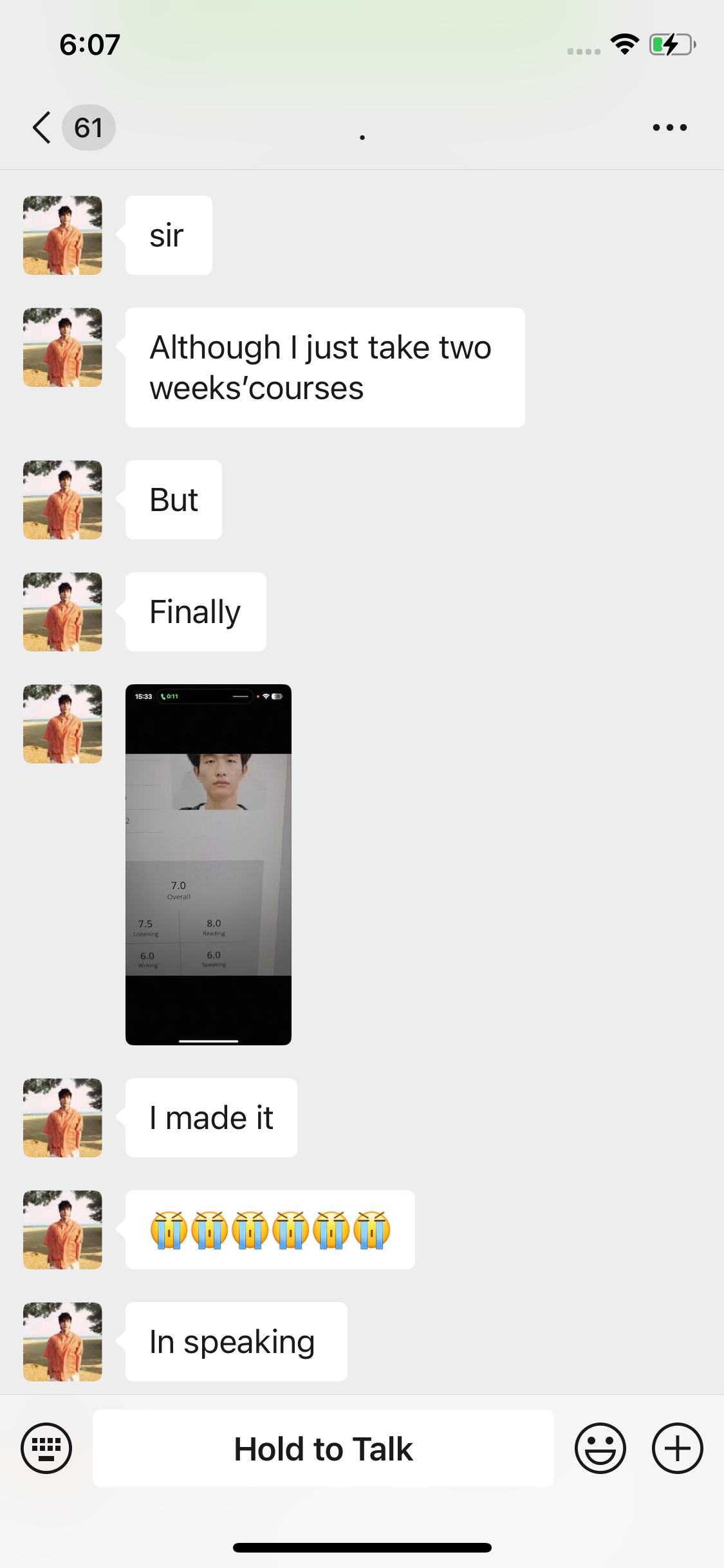


“Sir — I made it. In speaking.”
Lee · Band 7.0 overall in 14 days · Verified score certificate
Lee entered the IELTS test after just two weeks of focused coaching and achieved Band 7.0 overall: Listening 7.5, Reading 8.0, Writing 6.0, and Speaking 6.0. The result gave him the score he needed to move forward with his university plans.
The problem is not a lack of effort
Are you taking more classes — or actually improving?
Many students work hard for months while the same score-limiting habits stay untouched. These are the warning signs that more general teaching is not enough.
One weak skill caps the total
Reading or Listening may be close to target while Writing or Speaking keeps the overall score down—or unstable accuracy in receptive skills stops the total from moving.
You practise, but errors repeat
You complete more tests and essays, but nobody analyses the recurring question types, timing problems, language habits, or scoring patterns behind the mistakes.
There is no four-skill plan
Each skill is studied separately, feedback is not converted into correction work, and nobody decides which improvement will create the biggest score gain this week.
The Smooth IELTS coaching loop
Three stages. Focused training. Real improvement.
You are not given four disconnected piles of lessons. Every week follows one clear loop: analyse performance across all four skills, identify the block with the greatest impact on the overall score, train it, and retest it.
Diagnose the block
We identify the exact habits lowering your score across speaking, writing, listening, or reading — based on real performance, not guesswork.
Coach and practise
You train the ability currently having the greatest impact on your score—Speaking performance, Writing structure, Reading strategy, or Listening accuracy—through live coaching, targeted tasks, app practice, and exam-style exercises.
Correct and retest
Feedback becomes a correction drill. The skill is repeated under pressure until the new pattern is stronger than the old mistake.
Smooth IELTS vs the old way
Same goal. Opposite approach.
Both promise IELTS improvement. Only one is designed around your actual score blocks and the skills examiners measure.
You will not wait months to understand what is wrong.
The first 14 days create clarity: diagnose the score blocks, introduce focused feedback, and build a repeatable training loop.
Complete the four-skill diagnostic
We establish a baseline across Listening, Reading, Writing, and Speaking, then identify the exact skills and habits limiting the overall score.
Receive your score-gap map
You see how far each skill is from target, what should be fixed first, and how your weekly training time should be allocated.
Start the full correction loop
Speaking and Writing feedback, Reading error analysis, and Listening accuracy work enter one repeatable weekly system.
Small groups, not crowded classrooms.
In a class of 20 or 30, even a strong teacher cannot deeply diagnose every student. Smooth IELTS caps classes at 10 — small enough for your problems to be seen and trained, but large enough to learn from other students too.
You get live coaching, feedback, accountability, shared examples, and targeted practice built around your strengths and weaknesses. Small group does not mean one-size-fits-all.
Personal enough for feedback. Shared enough for motivation and momentum.
What we examine before the training
Two students can share the same target score and still have completely different problems. That is why one-size-fits-all wastes time.
See the coaching. Read the messages. Check the results.
Real class moments, score evidence, university offers, and messages from students who needed IELTS for something bigger.
Click any image to open the original full-size file.
More student outcomes
IELTS testimonials
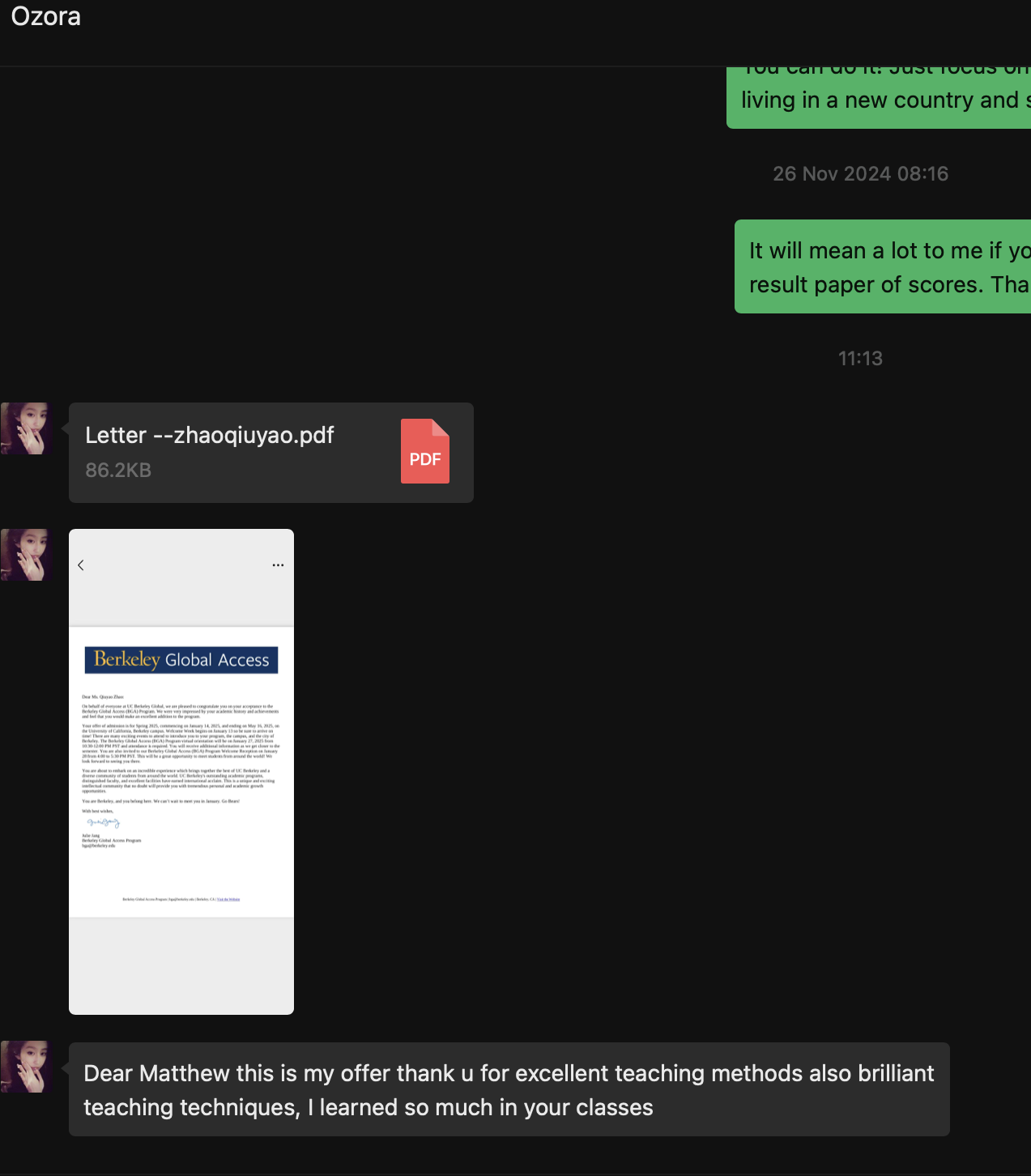
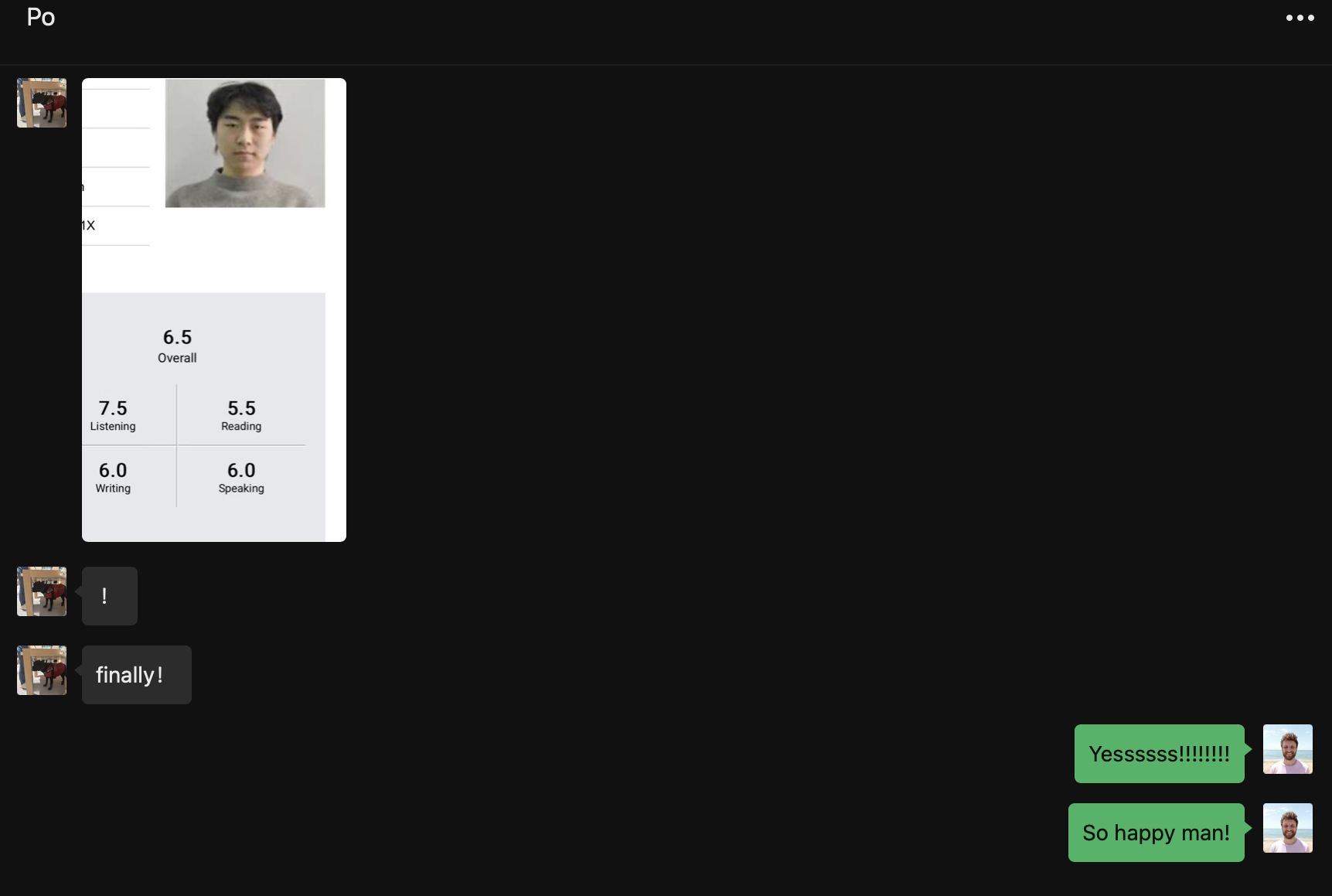
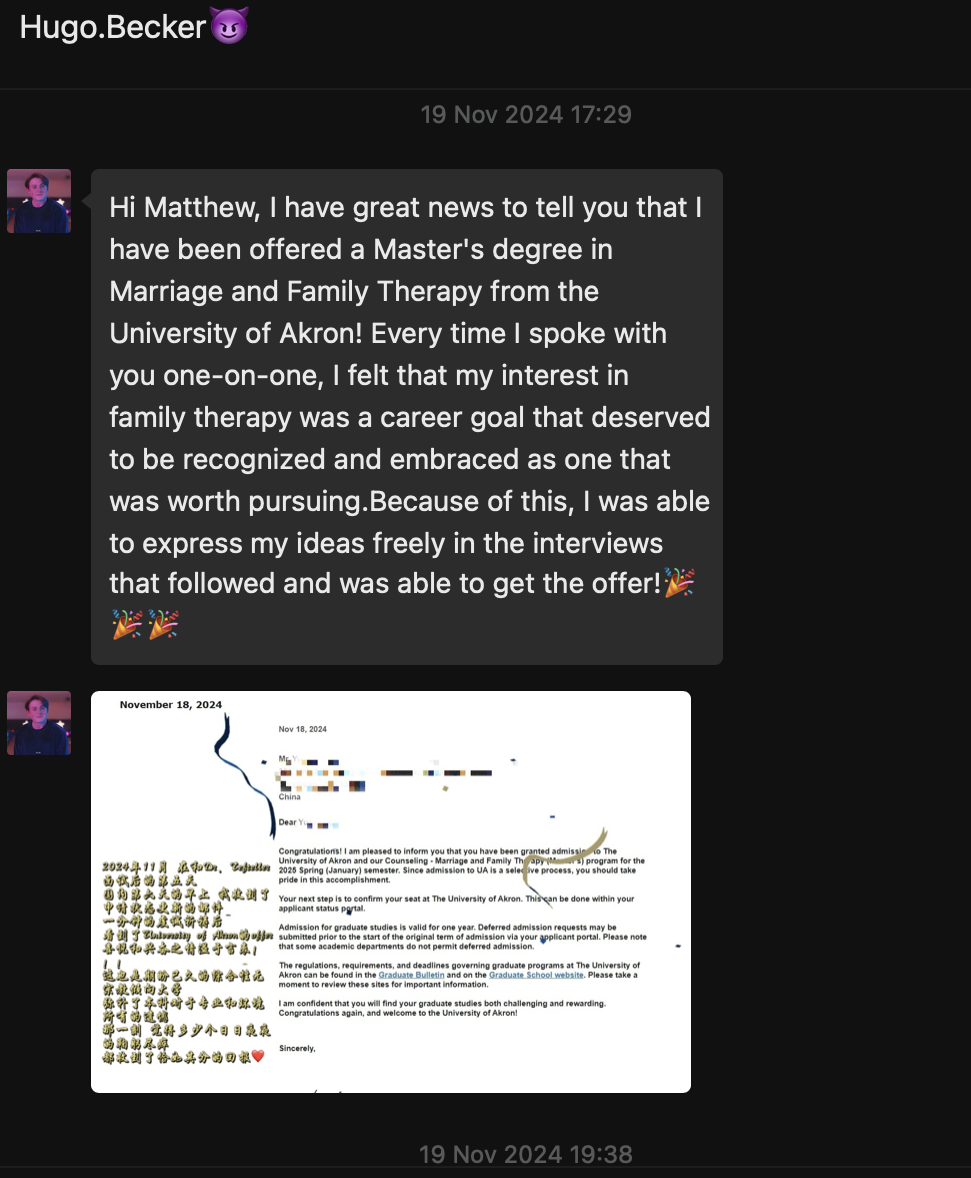

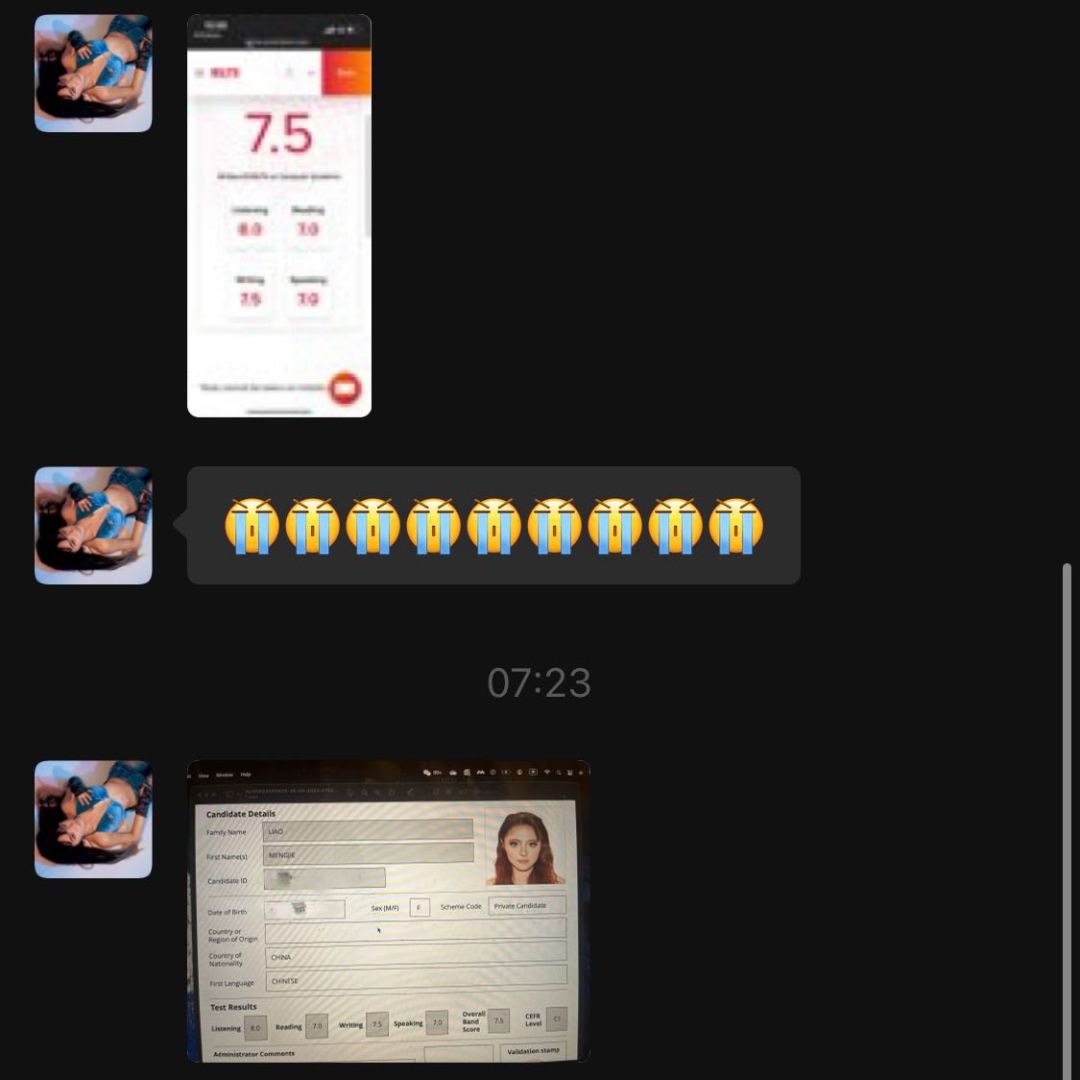
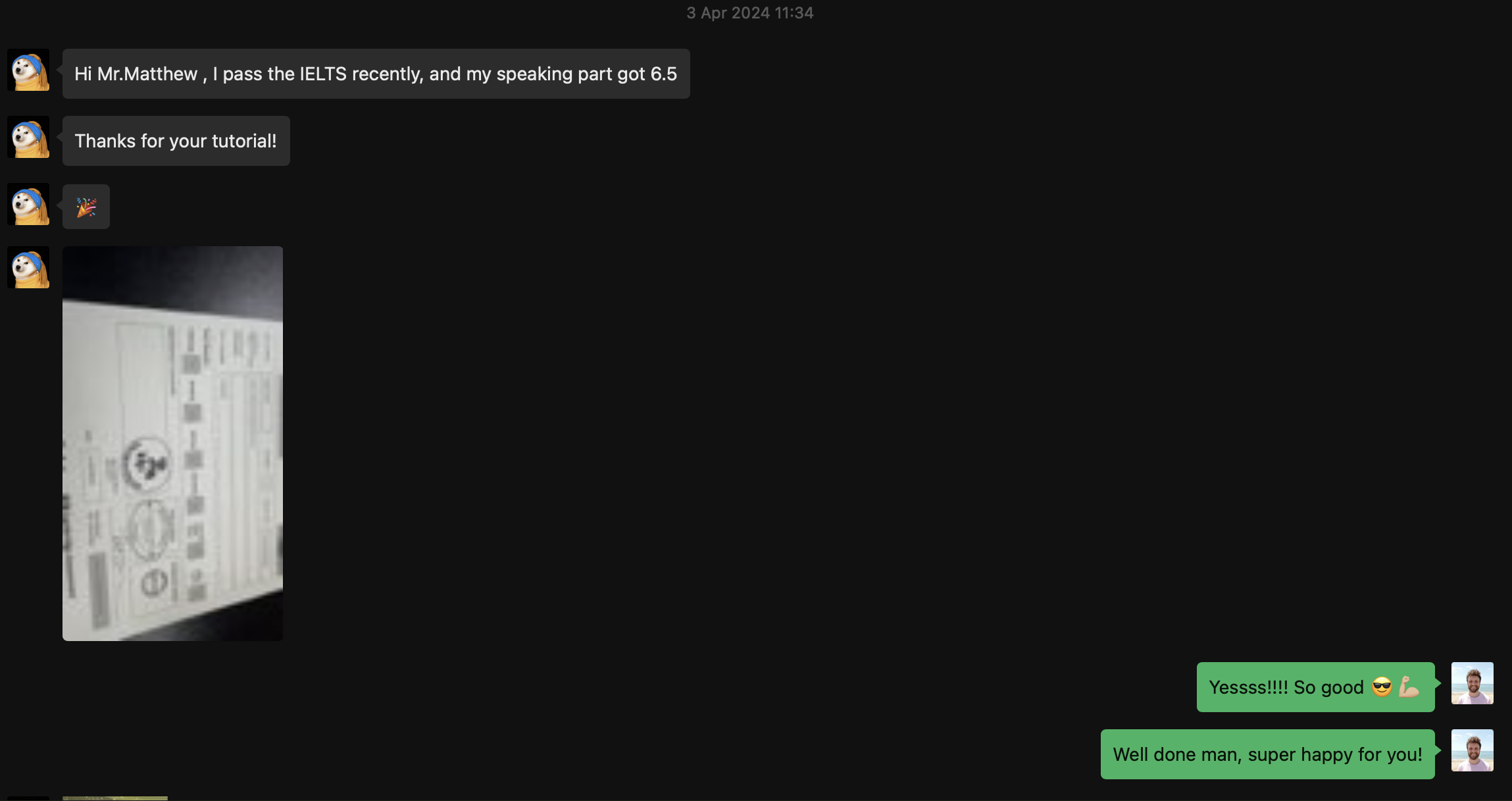
Messages and score receipts
Original student evidence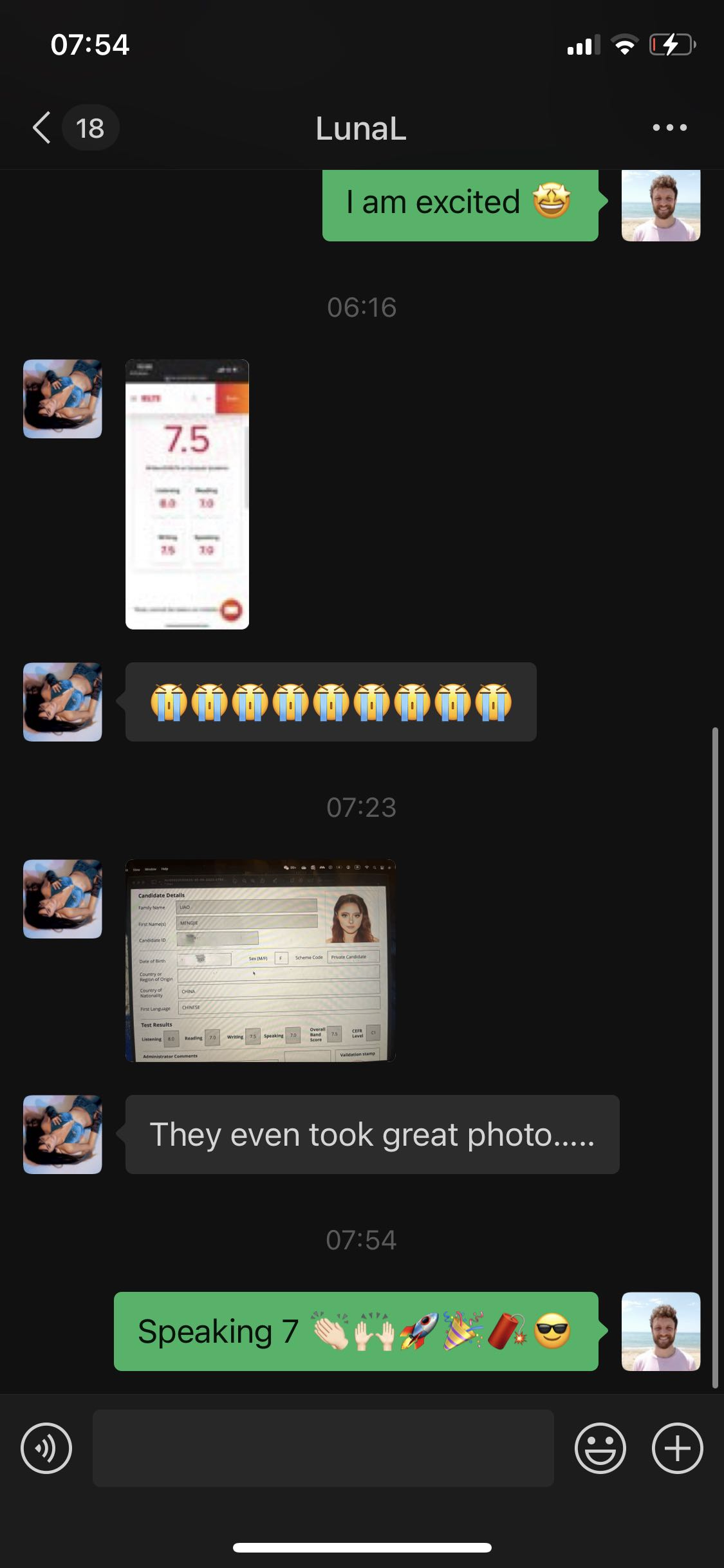
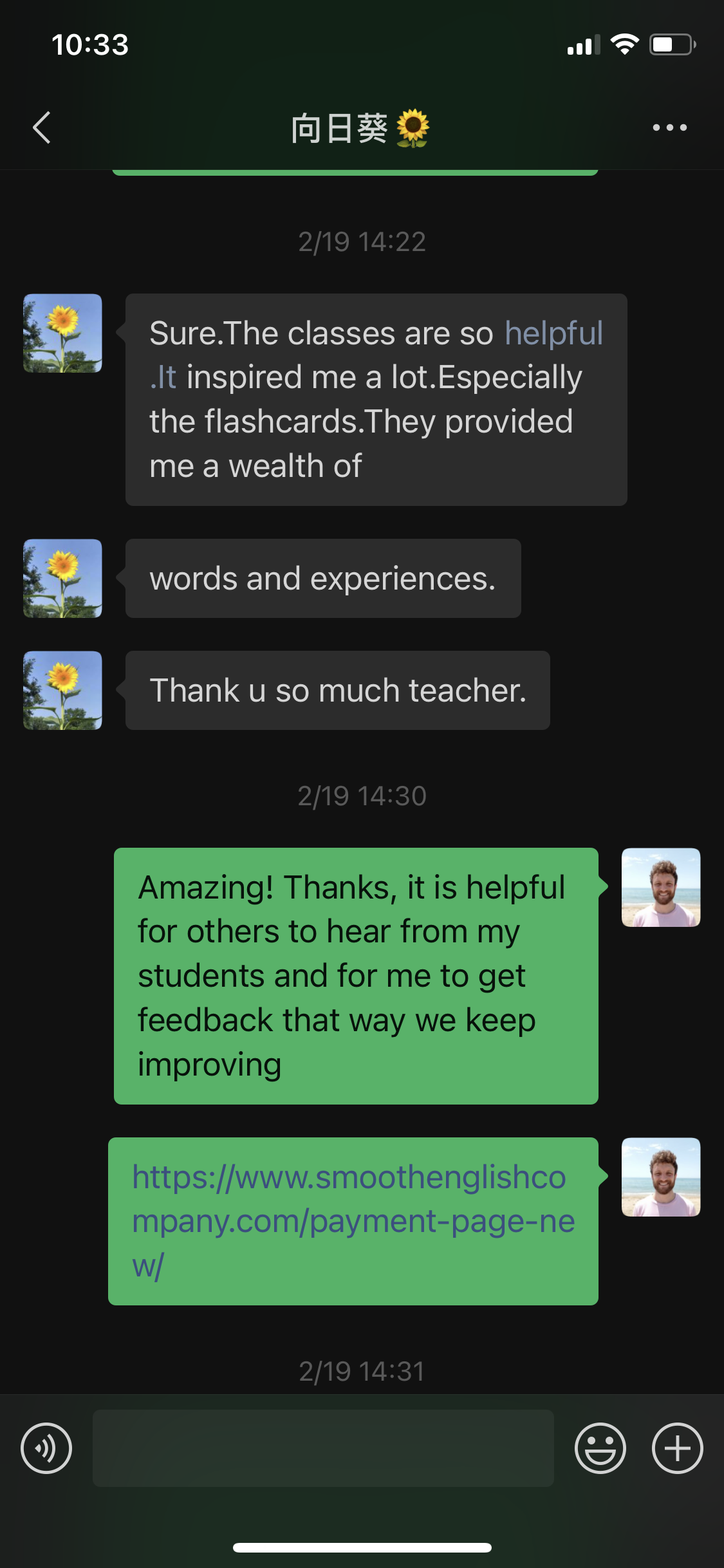
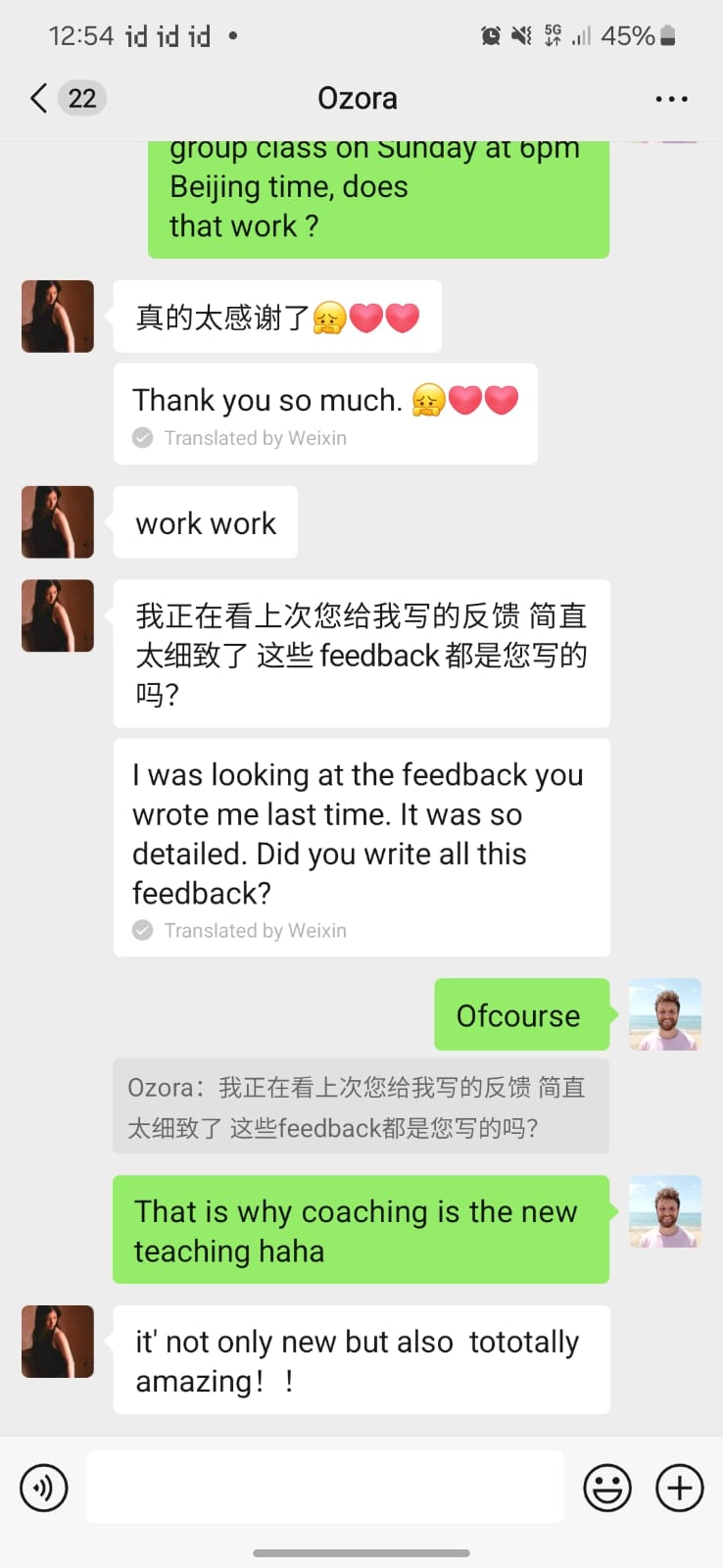
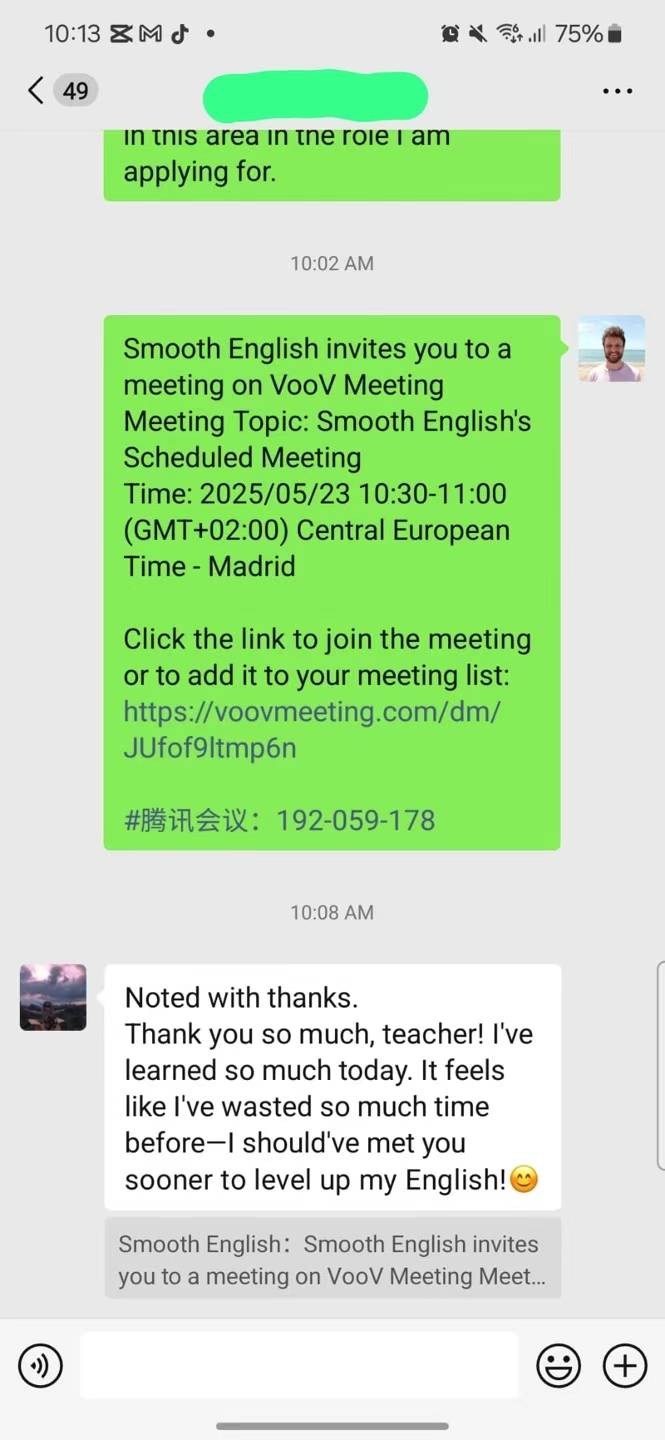

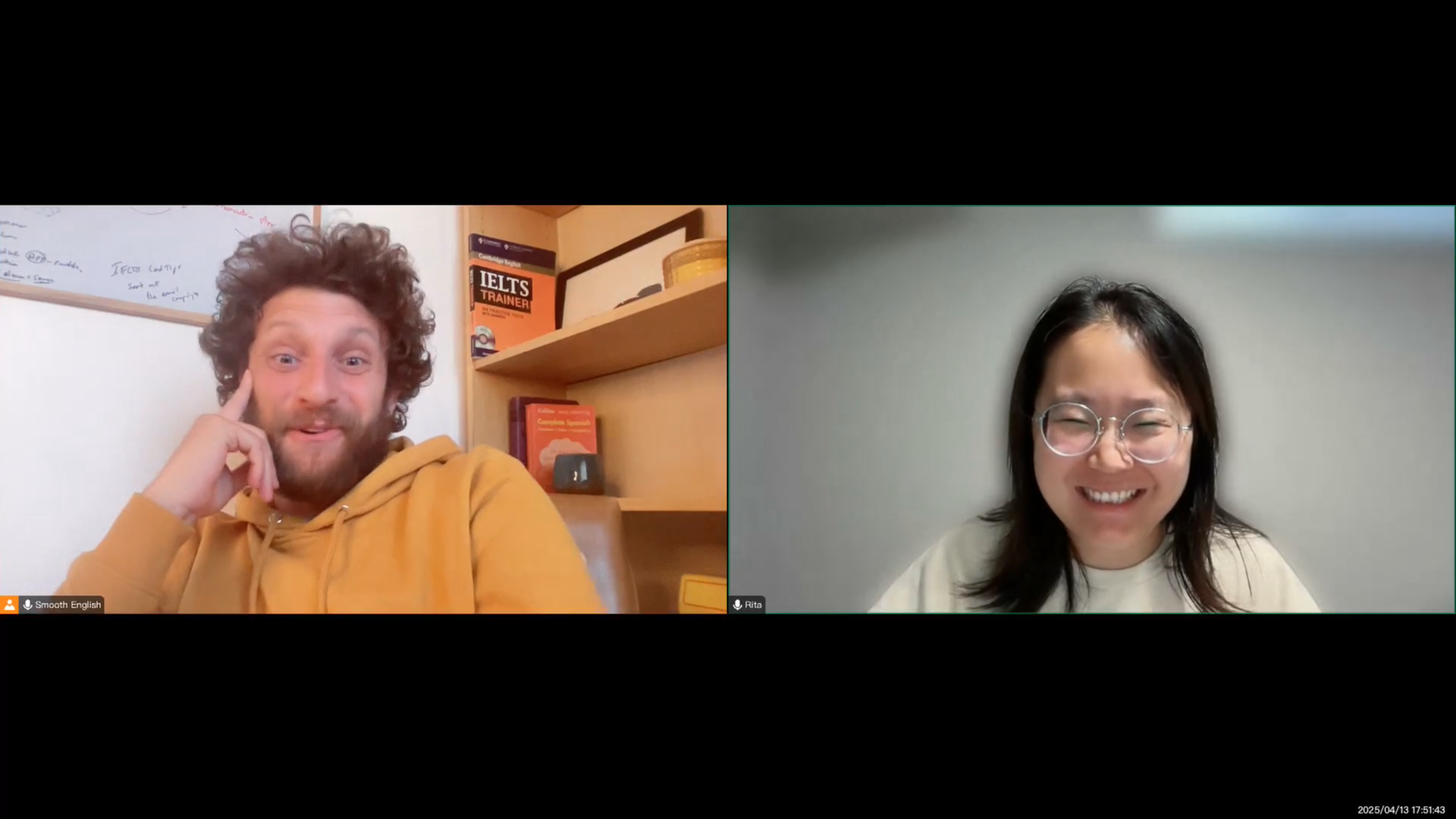
Real coaching, not a faceless video course
Live class moments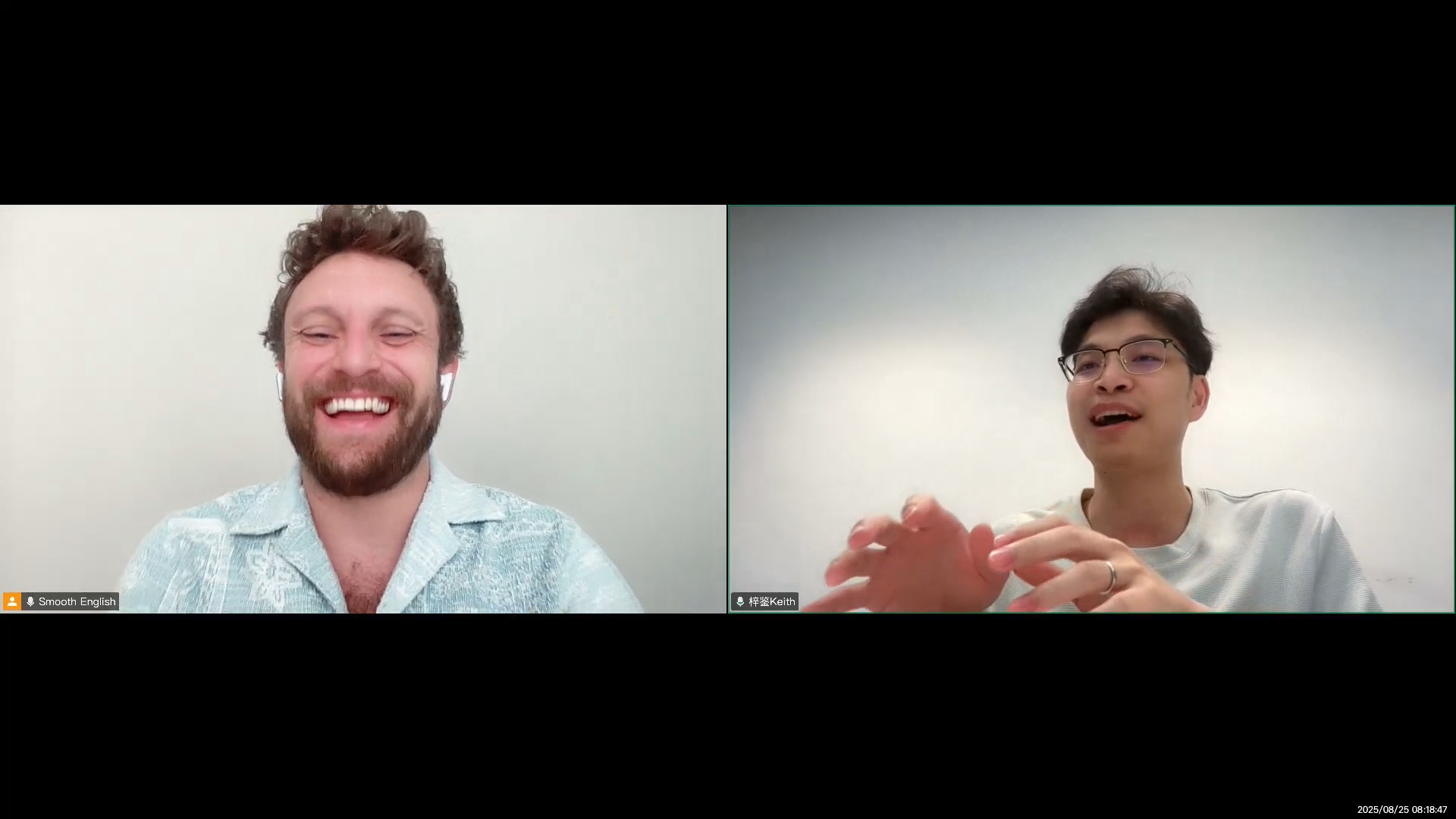



You do not need another promise. You need a plan built around the score blocks the evidence reveals.
View the Full IELTS Plan
You are not handed to a faceless school. You are coached by Matthew.
Matthew Fabling is a British English and IELTS coach with more than 15 years of teaching experience. He has trained over 500 students and professionals from China, Korea, the UK, Mexico, Brazil, and across Europe.
His work focuses on the skills that usually keep IELTS students stuck: speaking under pressure, answer logic, fluency control, pronunciation, vocabulary activation, writing structure, grammar habits, and turning feedback into repeatable performance.
One complete system for all four IELTS skills
You do not have to guess which isolated course to buy. We begin with a complete diagnostic, place Listening, Reading, Writing, and Speaking into one score-improvement plan, and prioritise the weaknesses with the greatest impact on the overall result.
Full IELTS Score Accelerator
72 total live small-group coaching hoursDesigned for committed students currently around IELTS 5.0–6.5 who have a clear target score and test date and want to target a 0.5–1.0 overall band improvement in 12 weeks.
- Complete Listening, Reading, Writing, and Speaking entry diagnostic
- Personal score-gap map and 12-week improvement plan
- 4 live small-group coaching sessions each week (6 hrs/week)
- Speaking Part 1, Part 2, and Part 3 training with native-speaker feedback
- Writing Task 1 and Task 2 structure, language, and correction training
- Reading question strategy, skimming, scanning, timing, and trap recognition
- Listening prediction, keyword focus, spelling, and accuracy training
- Weekly correction work, error analysis, and accountability
- App and AI-supported practice between sessions
- Progress assessments and clear score tracking
- The 12-Week 0.5 Progress Guarantee for qualifying students
We diagnose before recommending the programme. If your level, timeline, or available study time does not fit, we will tell you honestly and suggest a better route.
Measure the four-skill gap before you enrol.
Tell us your current scores in all four skills, target band, test date, and weekly availability. We will assess whether the 12-week Full IELTS Accelerator is the right route.
This is a diagnostic conversation, not a hard sell. If the programme fits, we explain the plan. If it does not, we tell you honestly.
Apply for a Four-Skill DiagnosticThe questions that matter before you invest.
Whether you are preparing yourself or paying for a student’s future, you should know exactly how the programme works.
Before you get in touch, know this.
Twelve weeks is not magic, and no responsible course can promise the same official test result for every student. The programme is built to help committed students target a 0.5–1.0 overall band improvement through complete diagnosis, six hours of live weekly training, correction work, and progress assessments.
Different skills improve at different speeds. Reading and Listening can often release points through strategy, timing, error analysis, and accuracy work. Writing and Speaking require repeated feedback, correction, and performance under pressure.
This programme is for students willing to speak, write, practise, review mistakes, accept feedback, and train consistently. It is not designed for passive video watching.
Best suited to students currently around IELTS 5.0–6.5 with a clear target and enough time to complete the plan. Qualifying students who complete the requirements but do not improve by 0.5 in the final standardised assessment receive four additional weeks of coaching.
Straight answers
Let’s build the right path to a higher score.
Tell us whether the plan is for you or a student you support, along with the current level, target score, and test date. We will recommend the best-fit route.
12-week group accelerators · Speaking & Writing / Four-Skill · Maximum 10 students per class